
Feedback Loops
Lost and Found

It’s about Journalism.
Some channels of coverage and expression go off the rails or are at risk to disappear. New ones emerge.
Enter the Young
What is NOTUS? Young reporters in a “teaching hospital for journalism” learn from DC veterans (poynter.org)
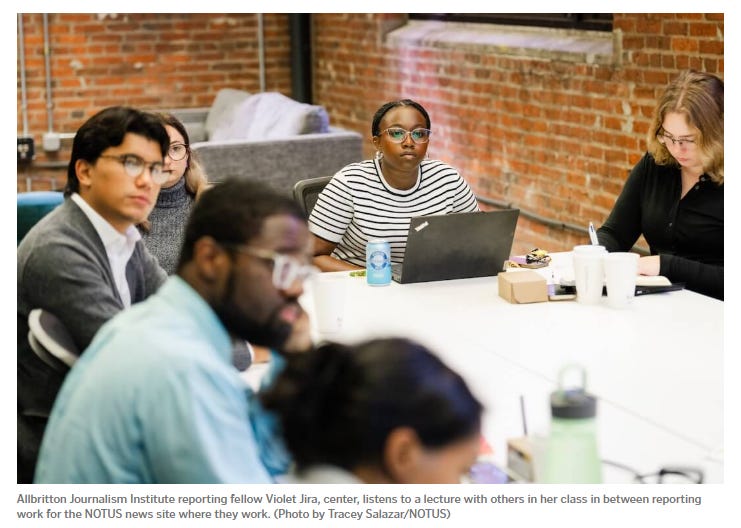
When fellows arrive in September, they spend their first month in a “bootcamp,” learning about D.C. reporting from AJI faculty members like Tim Alberta from The Atlantic and Josh Dawsey from The Wall Street Journal.
Violet Jira, a junior fellow who graduated from University of Mississippi in 2024 with a bachelor’s in journalism, found the lessons from active journalists on topics like sourcing to be invaluable.
How Journalism Was/Is Done and How It Could Be Done
Journalism and Hollywood need each other, says The IP List (poynter.org)
“All the President’s Men,” “Spotlight” and “The Insider” are classic movies based on journalism — they follow reporters through the drama of uncovering something unbelievable.
“Dallas Buyers Club,” “Deepwater Horizon,” “Moneyball” and “Top Gun” are also famous movies. And also based on journalism.
Every story published by a journalist across the nation, in a newsroom big or small, becomes another piece in an enormous pile of intellectual property (IP), waiting to be noticed by Hollywood producers.

National exhibit exploring journalism’s past, present and future comes to Sarasota (bradenton.com)
I miss The Newseum in Washington, D.C. as I’m certain many other people do. Poynter is filling some of the gap. This exhibit includes scheduled public events. Coming up in August.
“This initiative is about helping people think critically about the information they see every day—while giving them techniques they can use to navigate their information ecosystem,” said Brittani Kollar, deputy director of Poynter’s MediaWise. “We are thrilled to bring our event series to Sarasota in celebration of Poynter’s 50th anniversary.”
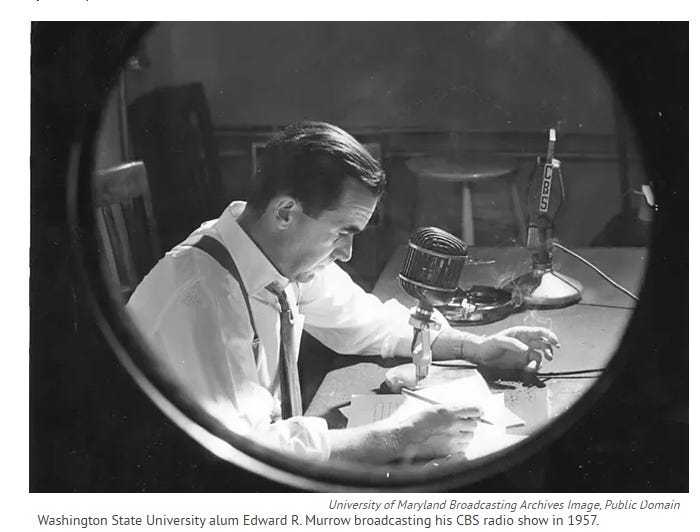
Broadcast journalism is a mix of show business, advertising and news — and as Edward R. Murrow observed, that can lead to ethical conflicts (inlander.com)
Murrow’s wisdom continues to resonate in the moment.
Publicly traded companies like Paramount have an obligation to generate returns for their shareholders. They must make strategic decisions that increase the company's stock price and profitability.
If that was all Paramount had to consider when weighing whether to pay President Donald Trump millions of dollars after he complained about the way a CBS 60 Minutes interview with Kamala Harris was edited, then the settlement could be justified. A settlement might cost less money than a protracted legal battle. It is a coldly rational corporate decision where money takes precedence over principle.
But that is not all that journalism-producing companies like Paramount should consider. Something more important is at stake.
Women Journalists Who Rewrote the Story of War (unesco.org)

Nextdoor is emphasizing local news in its big redesign (niemanlab.org)
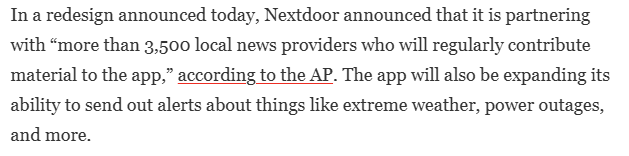
and more about Nextdoor
Nextdoor’s unlikely hail mary to stem engagement crisis: local journalism (fortune.com)
Nextdoor, the social media site that aims to create connections among neighbors, is trying to shake off an uneven past and a nagging sense it is being underutilized. How? It is turning to professional journalists for help.
(On the page there’s an option to listen to the story)
This advice does not age:
Journalism changes. Good writing advice doesn’t. (poynter.org)
(I observe that “avoid cliches like the plague” is somewhat self-canceling — similar to “eschew obfuscation” — but otherwise the list of 50 as a whole is a solid reminder of first principles)

I Blew Up on TikTok with Journalism — Here's How You Can, Too (idfj.org)
l'll never forget the day when an editor at the BBC told a 25-year-old me that journalists shouldn’t be on TikTok because “there’s so much misinformation on there.” By that point, I had maybe 10,000 followers on the platform, possibly more, and the comment stung. My TikToks, which had amplified my journalism as well as my passion for learning new languages, were well researched and I hoped the direct opposite of misinformation.

Praiseworthy
Legacy in a time of chaos: How honoring Roll Call is living the values of journalism. To work at Roll Call is to believe that Congress matters. (rollcall.com)
SPJ stands in solidarity with editorial cartoonist Adam Zyglis, condemns death threats against him (spj.org)
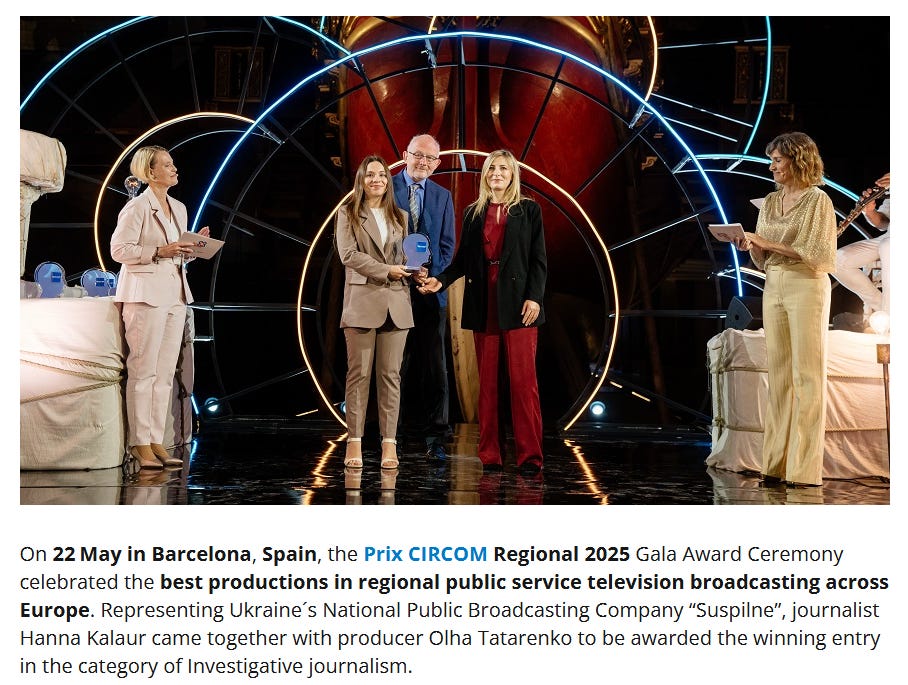
Investigative journalism in Ukraine: “We need to be louder than the propaganda” (coe.in)
Today’s Writing Playlist
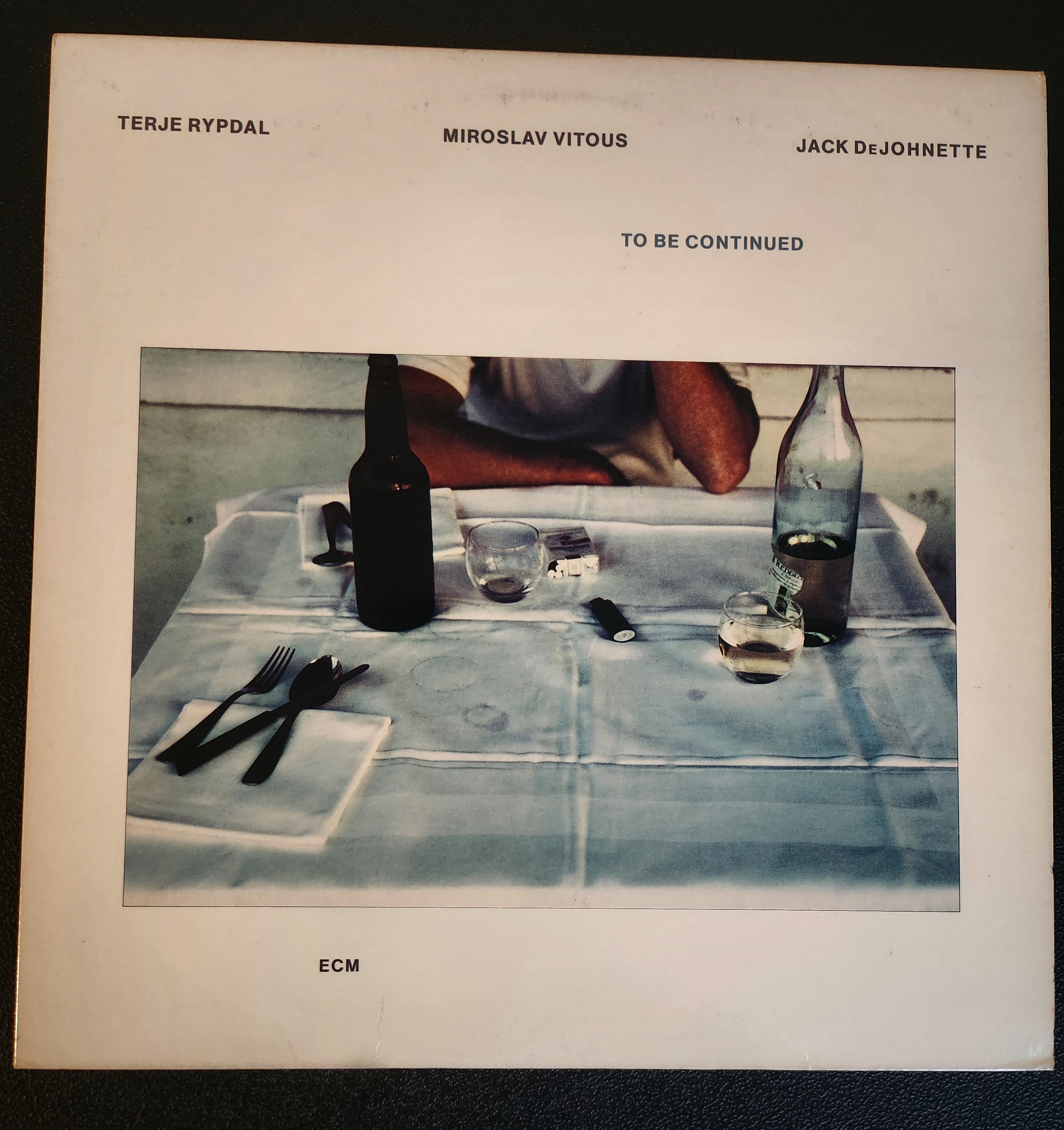
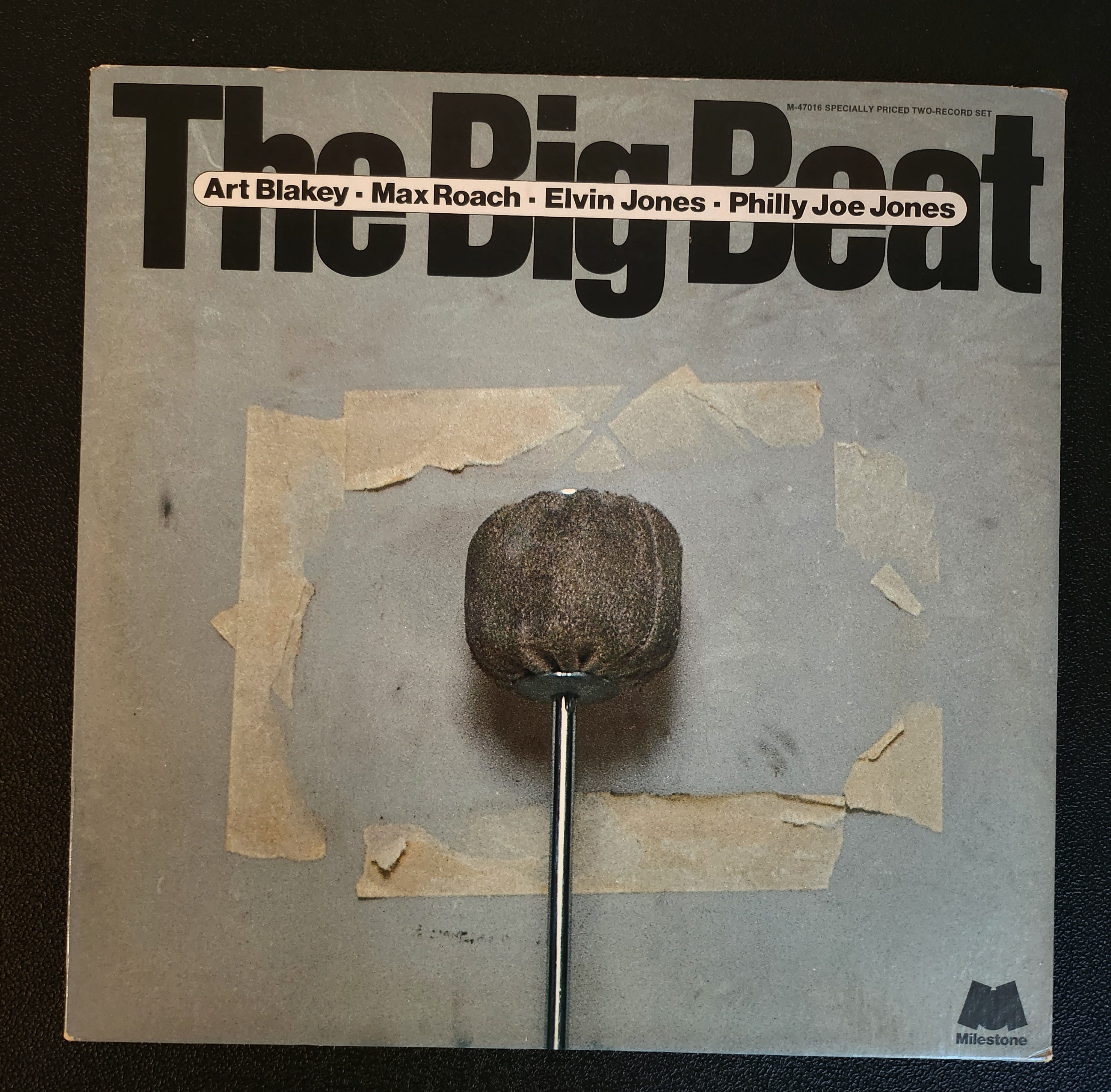
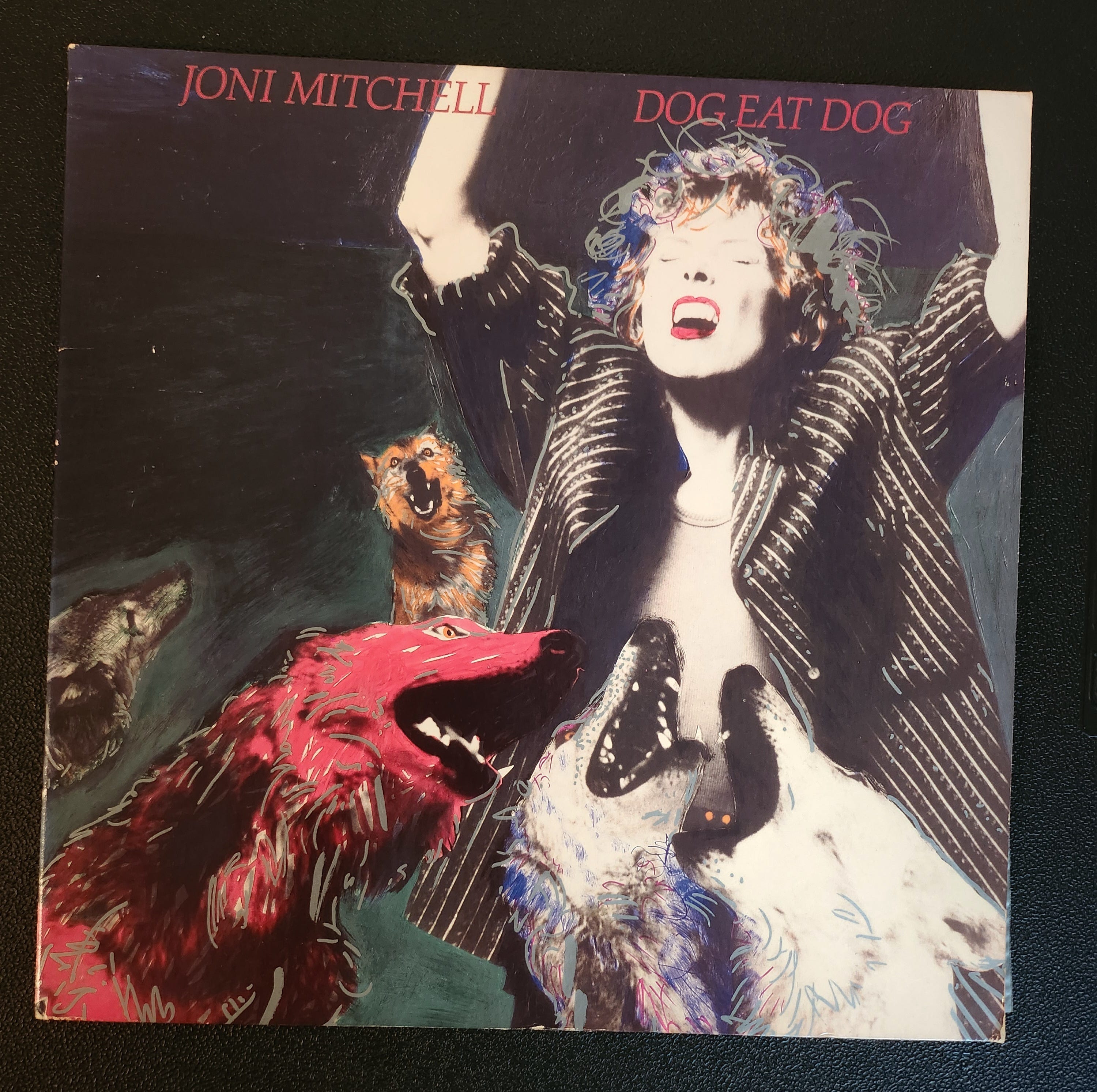
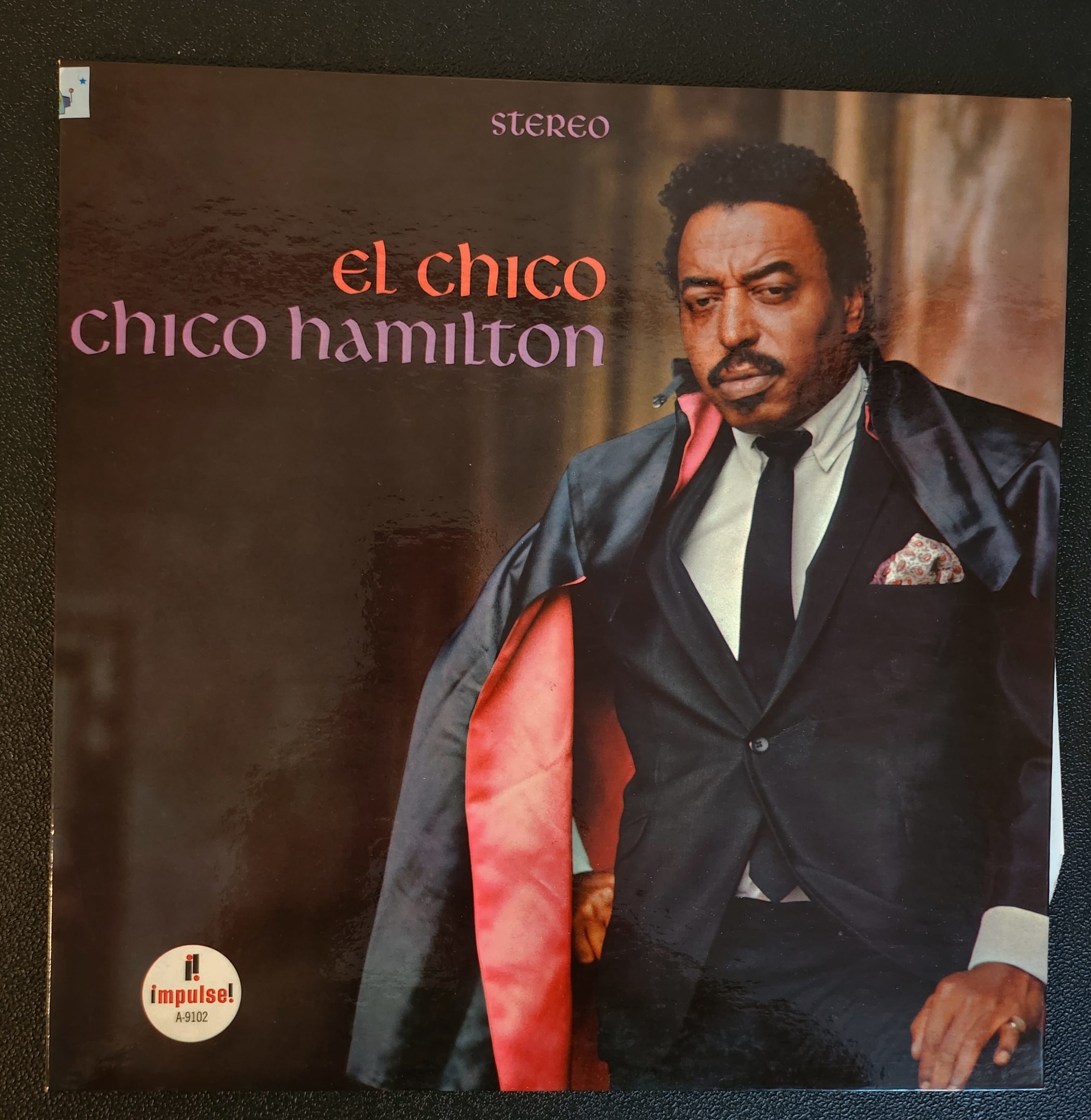
In a recent YouTube video, record collector Glenn Guthrie cited this Rypdal/Vitous/DeJohnette record within a playlist of the 10 best albums issued on the ECM label. The record is certainly in my top 100 jazz albums. Several other ECM releases would make that list.
(The Big Beat, Philly Joe Jones side): The more I dig into the playing of Philly Joe, the more wit in his playing I find to delight in.
Dog Eat Dog: I like Joni Mitchell’s more electronic work (this record and Chalk Mark In A Rainstorm), not above the rest of her catalog, but as an approach to present her ideas when the algorithmic era was looming over the horizon.
El Chico: To my ears, Gabor Szabo’s guitar is the standout here.
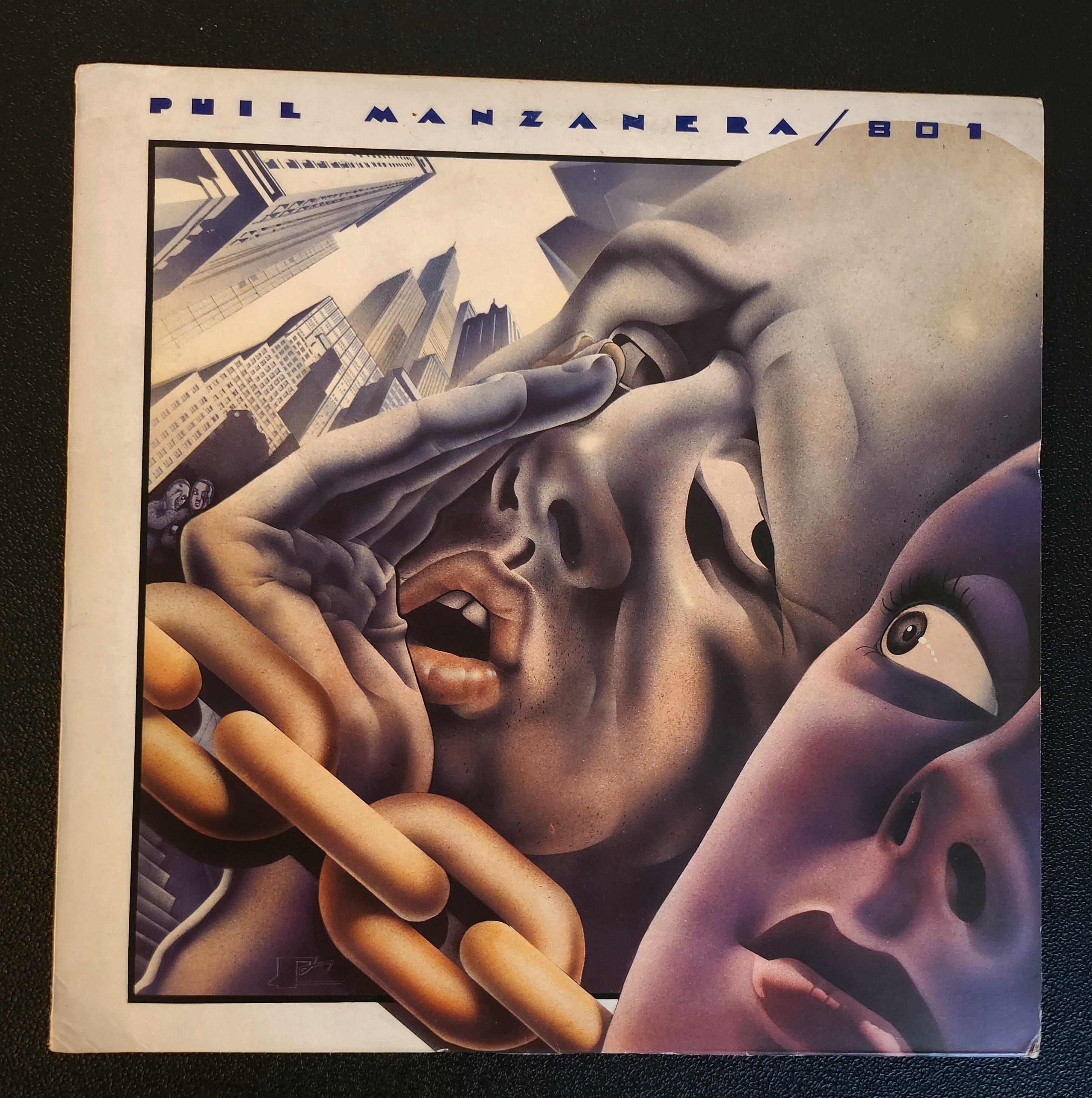
Listen Now: 48-year-old release which remains timeless and entertaining with every listen. Suggests Pink Floyd of the Wish You Were Here years with more of a sense of humor and more sonic texture — Phil Manzanera assembled a great bunch of talents for this record. The cover art suggests something about the current moment. So do many of the lyrics.
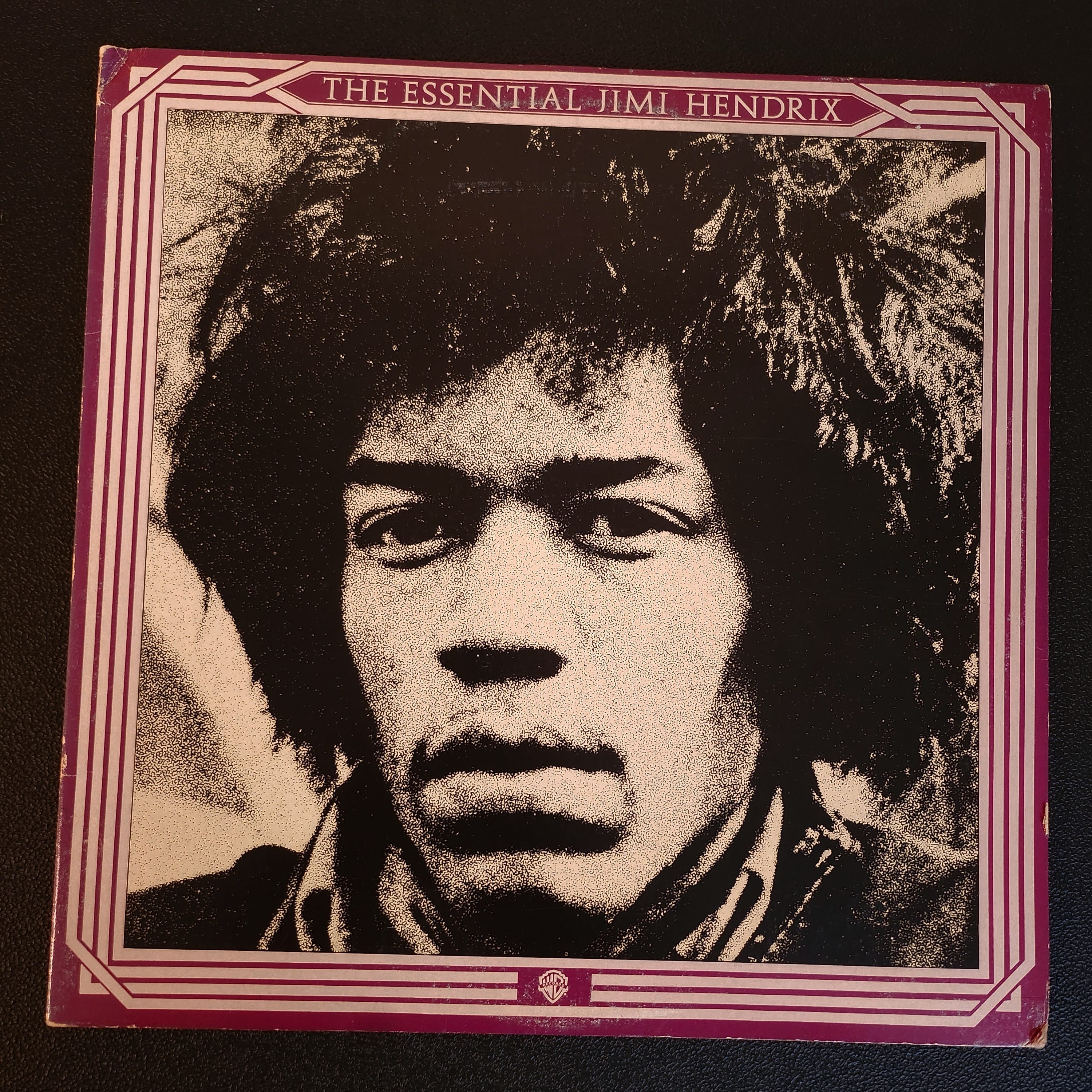
Hendrix: Hendrix.
Stay alert.
Blair Helsing, Trained As A Journalist
— 30 —